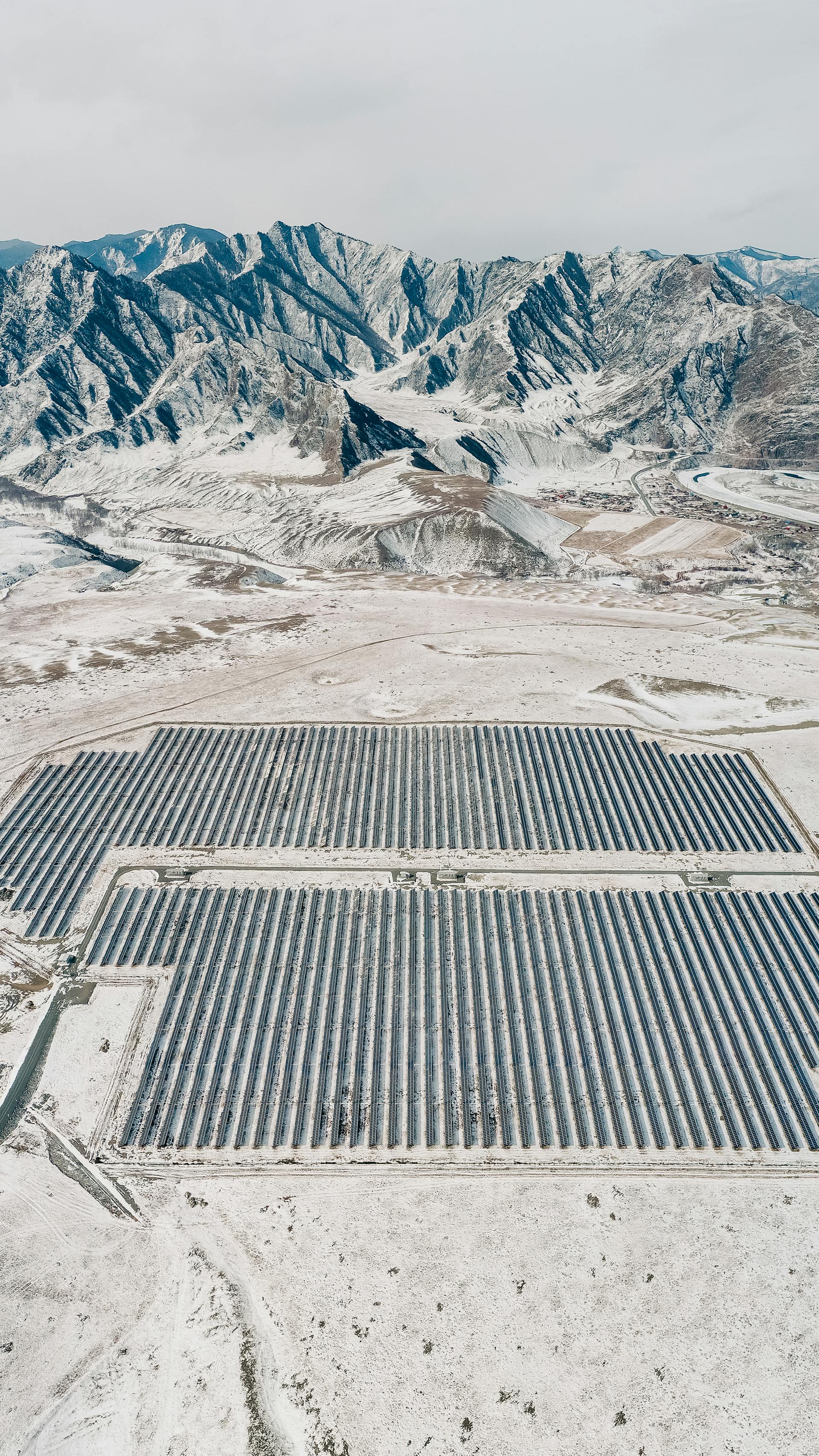
A changing planet, a country getting ready
The world is changing and the planet's resources are running out faster every year. Spain, together with the rest of the continent, is moving towards a cleaner and more respectful energy model. This is a calm look, without haste, at the development of renewable energy and the protection of the agricultural landscape, thinking of the generations that will follow us.
Global warming: the context
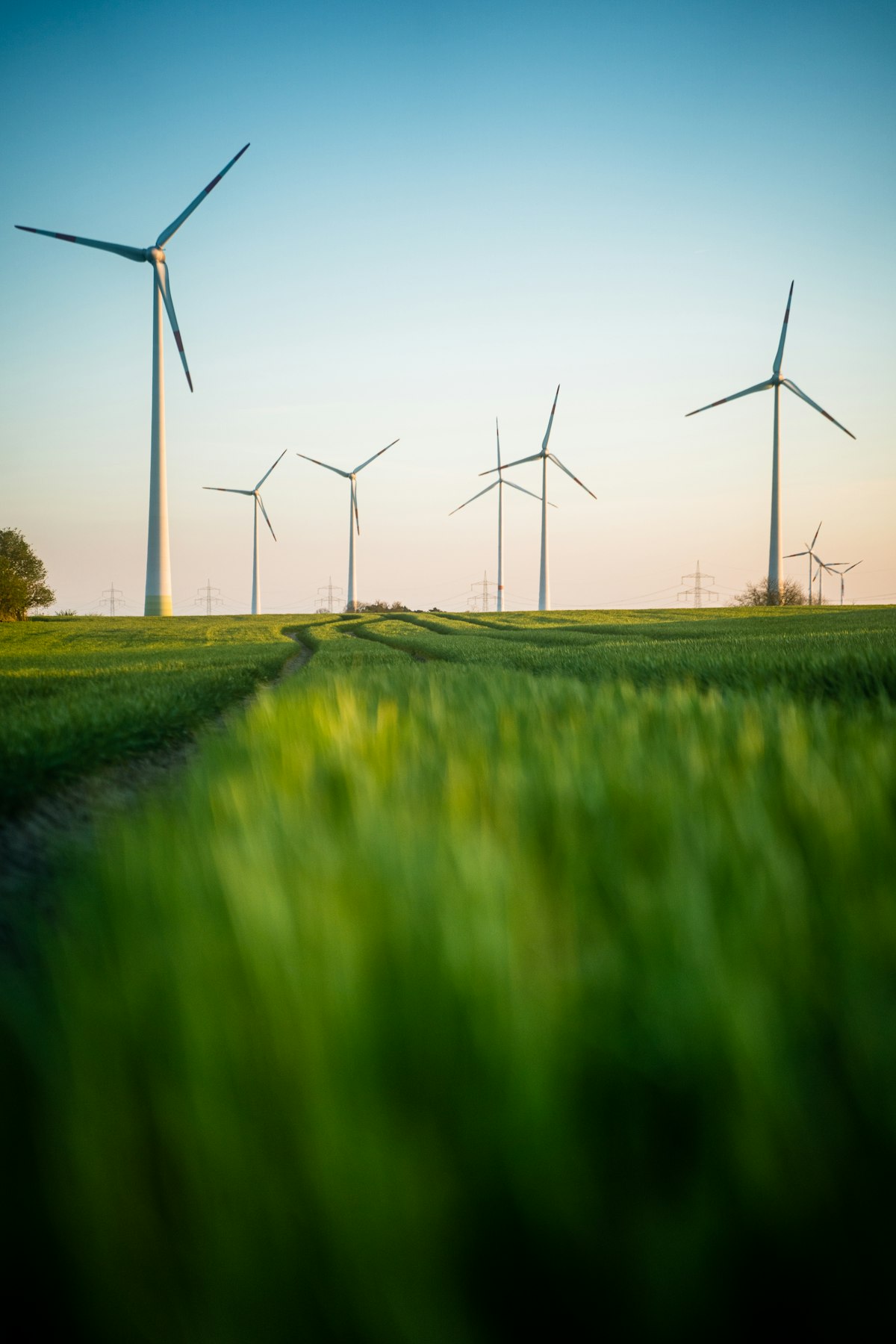
Average global temperatures have been rising steadily for decades. European summers are getting warmer, rainfall is less predictable and aquifers in the southern peninsula are feeling the change. Protecting Mediterranean ecosystems requires balanced development, based on careful observation of the landscape and on open data. Citizen awareness, environmental education in schools and cooperation between public administrations are the most effective tools to accompany this transition without giving up the way of life that defines southern Europe.
Spain's role in green energy
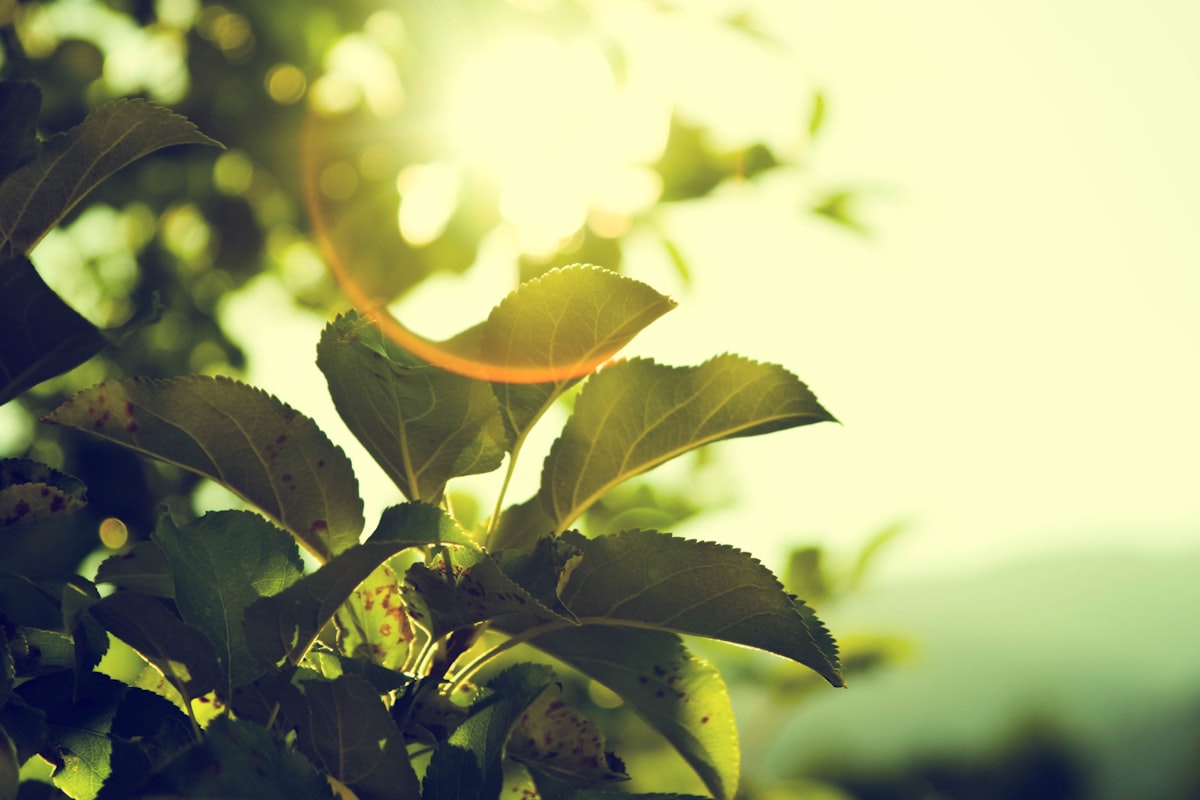
With more than two thousand five hundred hours of sunshine per year in most of its territory and steady wind in coastal and plateau areas, Spain holds a privileged geographical position for the deployment of solar and wind power. The group of Spanish energy companies, together with public bodies and research centres, works on storage projects, smart grids and local energy communities. The goal set for 2030 is to significantly reduce the national carbon footprint and increase the share of electricity from renewable sources.
The future of agriculture
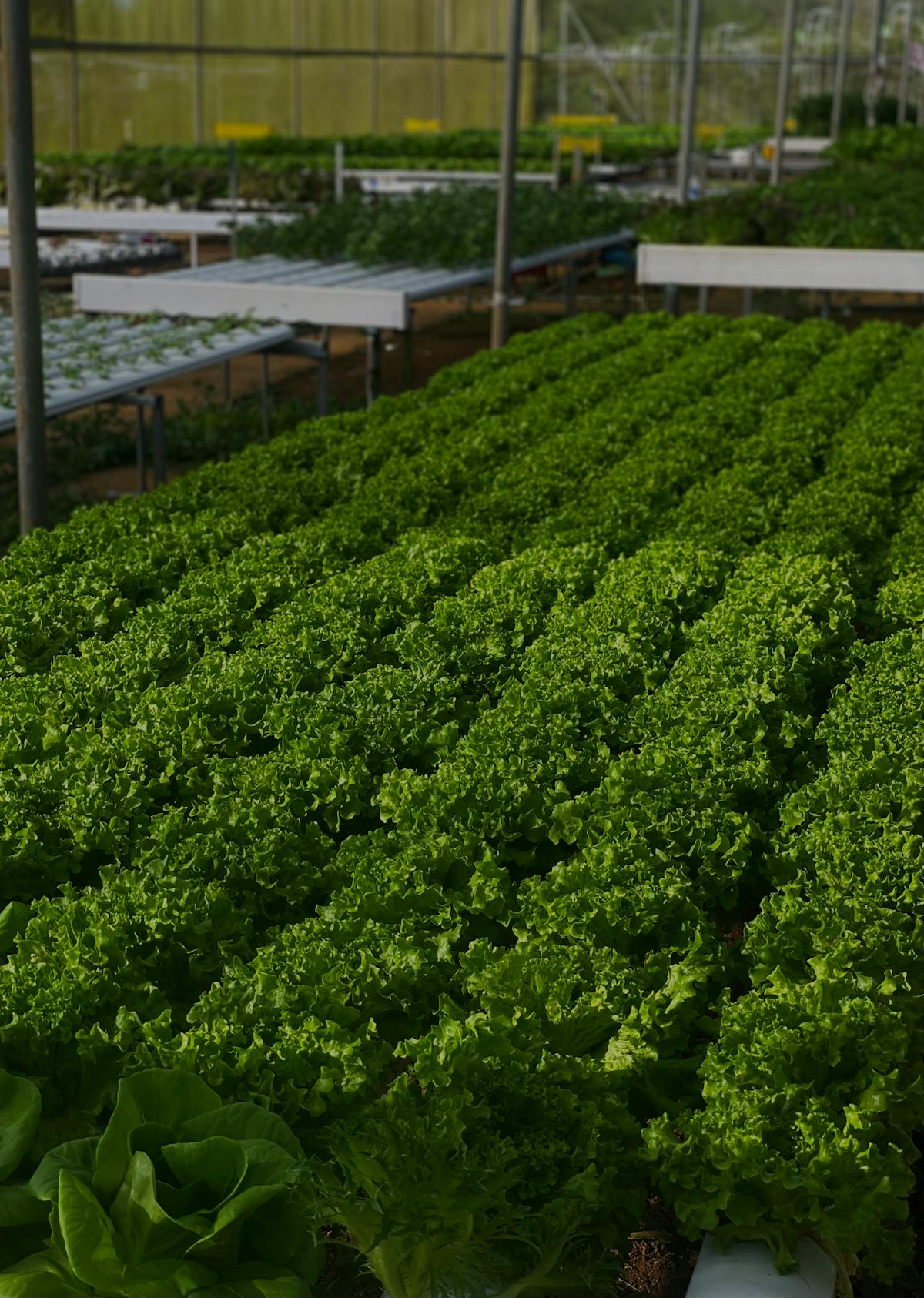
The Spanish countryside, keeper of a thousand-year-old tradition, is entering a new stage. So-called Agriculture 5.0 combines agronomic knowledge, soil moisture sensors, satellite observation and regenerative practices to care for the land and the water. The olive groves of Jaén, the vineyards of La Rioja and the orchards of Murcia all share the same horizon: producing quality food while reducing the consumption of resources. Protecting biodiversity and supporting sustainable rural development are not separate goals, but two sides of the same process.
A shared landscape
The ecological transition should not be understood as a race, but as a calm conversation between territories, generations and trades. Caring for the air, the water and the soil is also caring for the memory of the towns that inhabit them. Keep reading to discover the upcoming publications of our initiative.